
Getting a House Ready for Safer, Cleaner Improvement Work
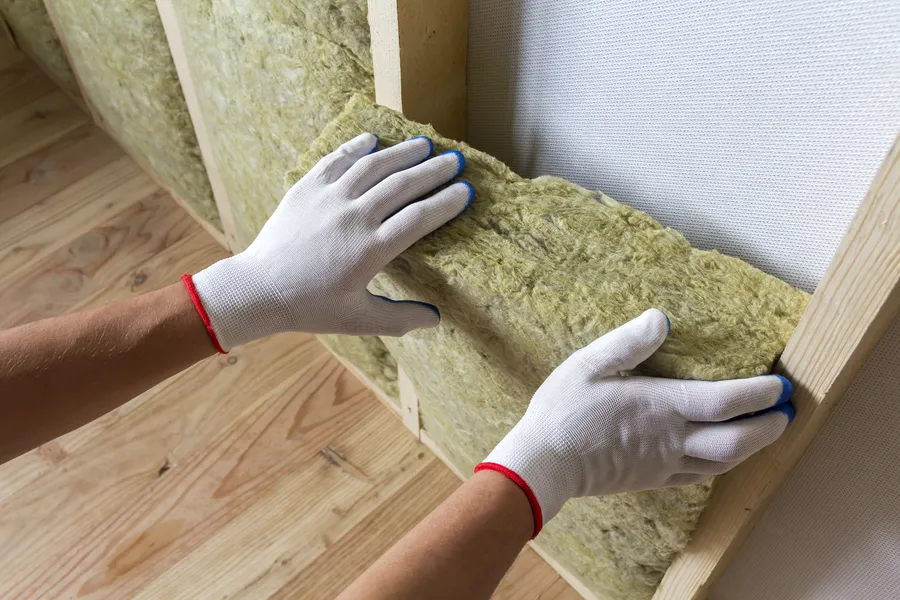
Insulation removal helps prepare a home for upgrades by clearing out old, damaged, or outdated material before new work begins. This gives contractors a clean space to inspect framing, wiring, ductwork, and air leaks. It can also expose mold, pests, or moisture that may affect the next step. If a home in Calgary, AB is getting new insulation, air sealing, rewiring, or attic work, removing the old material first often makes the upgrade smoother and more effective.
What You Need Before Starting
Before any insulation removal begins, it helps to know what upgrade is coming next. A home getting new attic insulation may need a different prep plan than a home getting electrical work or duct repairs. The old insulation should also be checked for signs of rodent waste, water stains, bad odors, or compacted spots. These clues can point to hidden problems.
It is also smart to think about access and safety. Attics and crawl spaces can be tight, dusty, and hot. Floors may have exposed joists. Old material may break apart easily and spread into the air. In many homes, this work connects to a larger service category like attic cleanup, since debris and contamination often need to be removed along with the insulation itself.
Step-by-Step Process
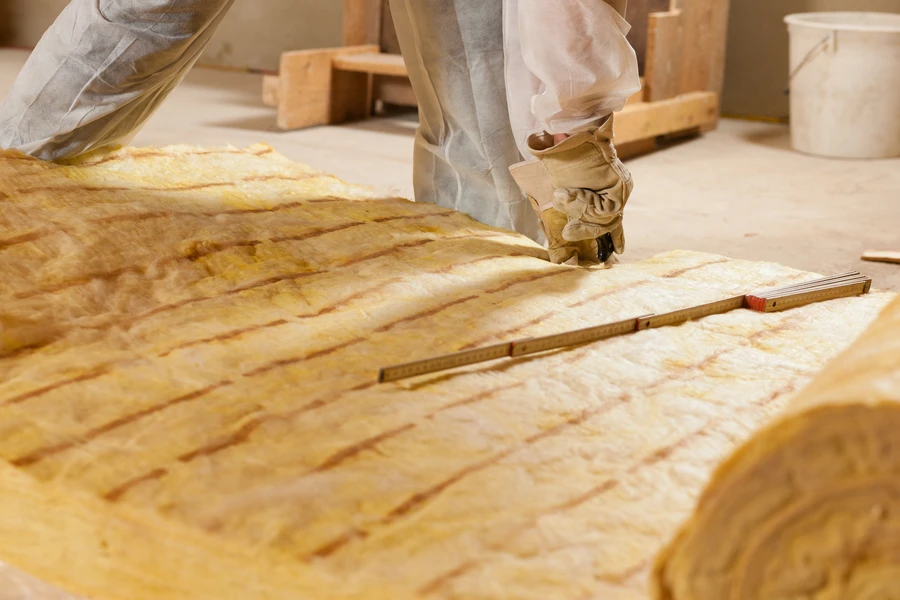
A clear plan helps the job move faster and helps the next upgrade crew work in a cleaner area. In most cases, the process looks like this:
- Inspect the space and identify the insulation type.
- Check for leaks, pest activity, mold, and damaged wood.
- Protect nearby areas from dust and loose fibers.
- Remove the old material with the right tools and safety gear.
- Bag and dispose of debris the right way.
- Clean the exposed area so framing and surfaces are visible.
- Seal air gaps, repair damage, or schedule follow-up work.
- Install the next upgrade only after the space is ready.
Each step matters. If old insulation stays in place, it can hide air leaks around pipes, wires, and vents. It can also cover up small roof leaks or signs of pest nesting. Once the material is gone, the home can be checked more fully. That is one reason insulation removal is often part of upgrade planning, not just cleanup.
Common Mistakes to Avoid
One common mistake is adding new material over old insulation without checking what is underneath. This can trap moisture, leave odors in place, or hide damage that should be fixed first. Another mistake is treating all insulation the same. Some batts can be lifted by hand, while loose-fill material may need special equipment to remove cleanly.
Homeowners also run into trouble when they rush the inspection stage. If a crawl space or attic has droppings, wet spots, or damaged venting, those issues should be dealt with before the next upgrade begins. Skipping that step can shorten the life of new insulation or lower the results of other work.
- Do not cover old contamination with new material.
- Do not ignore signs of roof or plumbing leaks.
- Do not start removal without proper protective gear.
- Do not assume the space is ready just because it looks empty.
When to Call a Professional
Some jobs are simple, but many are not. A professional may be the better choice when the insulation is heavily soiled, packed deep into hard-to-reach areas, or spread across a large attic. Help is also wise when the space shows signs of animal activity, strong odors, mold growth, or water damage. These conditions can affect health and can make cleanup harder.
Professional crews can often remove material faster and keep dust under better control. They can also spot hidden issues that may affect the planned upgrade. For example, if a homeowner plans to install new recessed lights, old insulation may need to be cleared away first so wiring and fixture spacing can be checked. The same goes for air sealing, attic fans, duct repairs, and some roofing-related improvements.
Why This Step Improves Later Upgrades
Removing old insulation is not just about getting rid of a mess. It helps later upgrades work the way they should. New insulation performs better when it is installed on a clean, dry surface. Air sealing is easier when holes and cracks are visible. Electricians and HVAC crews can do cleaner work when the space is open and easy to inspect.
This prep step can also keep money from being wasted. If new insulation is installed over damaged material, the home may still lose air, hold moisture, or smell musty. That can lead to more work later. By starting with insulation removal, a homeowner gets a better view of the home’s real condition before spending money on the next phase.
Final Recommendation
If you are planning home upgrades in Calgary, AB, we can help clear the way with careful insulation removal and honest guidance about what the space needs next. Contact Bow-man Services Ltd to talk with us about your project, or call (587) 742-3422 and let us help you decide the best next step for your home.