
Older Material Can Trap Dust, Hold Moisture, and Spread Particles Through Your Home
Old insulation can hurt indoor air quality by breaking down over time, holding moisture, and letting dust, fibers, mold, and pests build up in hidden spaces. When that happens, air moving through walls and attics can carry those pollutants into living areas. In many homes, the problem starts slowly, so people notice stuffy rooms, more dust, or worse allergy symptoms before they realize the insulation is part of the issue.
Common symptoms
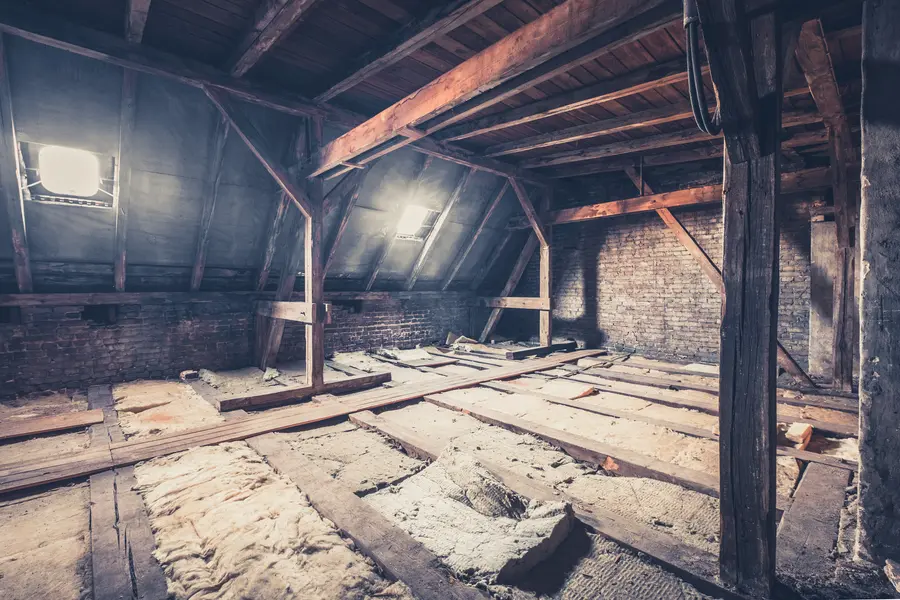
Bad indoor air does not always have one clear cause. Still, aging insulation often shows up with a few common signs. You may notice more sneezing, coughing, itchy eyes, or a musty smell. Some families see dust return fast after cleaning. Others find hot and cold spots that point to weak attic coverage or damaged wall filling. If insulation has been in place for decades, it may no longer block outside particles very well.
Here are signs that old insulation may be affecting your home:
- Dust builds up soon after cleaning
- Rooms smell damp, stale, or musty
- Allergy or asthma symptoms get worse indoors
- You hear or see signs of rodents in attic spaces
- Ceilings or attic wood show stains from past moisture
- Indoor temperatures change a lot from room to room
Likely causes
Insulation ages in different ways. Some types settle and leave gaps. Some trap moisture after roof leaks or poor attic airflow. Some collect droppings, nesting debris, and dirt from pests. Older material can also release small particles as it dries out or gets disturbed. Once air moves through those spaces, the particles can spread into vents, wall cracks, and living areas.
Another problem is air leakage. When attic floors, wall openings, and utility gaps are not sealed well, insulation cannot do its job. Dirty air from crawl spaces, attics, and wall cavities can move into the home. This is one reason many owners look into insulation removal when old material has become contaminated or worn down.
If the home has not had an inspection in many years, the issue may involve more than one thing at once. Wet insulation, air leaks, and poor ventilation often work together to lower air quality.
What to check first
Before making changes, start with a simple check. Look for visible clues in the attic, crawl space, or basement if those areas are safe to enter. You do not need to touch anything to spot warning signs.
- Look for dark stains, wet spots, or signs of past leaks.
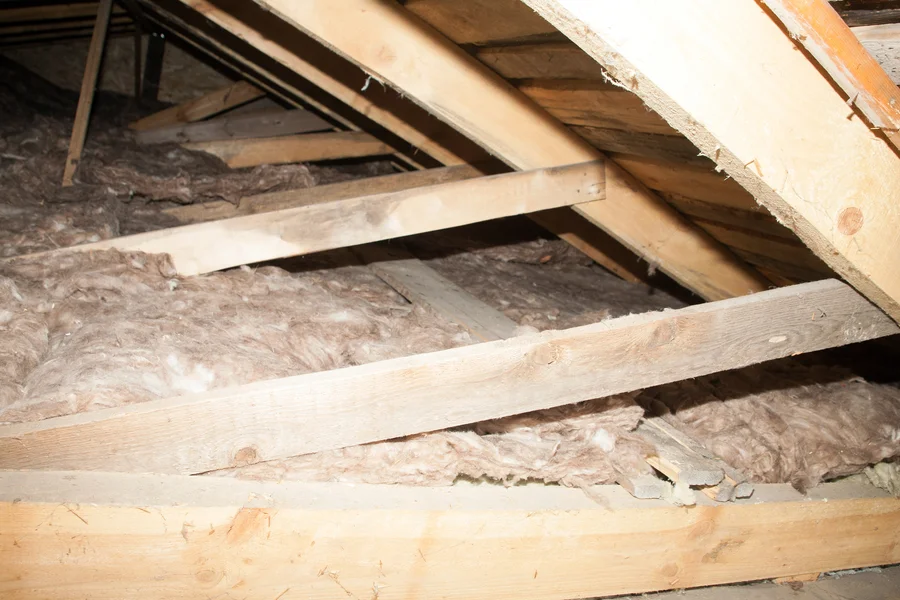
- Check if the material looks thin, flat, or uneven.
- Watch for pest droppings, nests, or chewed areas.
- Notice strong odors, especially musty or dirty smells.
- See if vents, fans, or air paths look blocked.
If you spot damage, avoid stirring the material up. Moving old insulation can send dust and fibers into the air. That can make the problem worse right away.
Safe fixes vs pro-level fixes
Some small steps are safe for most homeowners. Replace air filters on time. Use a vacuum with a good filter. Run bathroom fans during showers. Deal with roof or plumbing leaks fast. These steps help reduce moisture and airborne particles.
But old or contaminated insulation is often not a simple cleanup job. If there is mold, pest waste, strong odor, or large areas of water damage, a professional is the safer choice. insulation removal may be needed before new material can be installed. This is also true when old attic insulation has settled so much that it no longer protects the home well.
Some projects may also connect to other home energy services, depending on the home’s condition. If empty areas, drafts, or air leaks are part of the problem, repairs may need more than basic cleanup.
Prevention tips
Once the source of poor air quality is found, prevention matters. A dry, sealed, and well-vented attic or wall system helps insulation last longer and keeps indoor air cleaner. Small checks once or twice a year can help catch issues before they spread.
- Fix roof leaks and pipe leaks quickly
- Keep attic ventilation working properly
- Seal major air gaps around fixtures and openings
- Schedule inspections if the home is older
- Watch for pest activity in hidden spaces
- Replace damaged material instead of covering it up
It also helps to think about the age of the house. If the insulation is several decades old, it may not meet current performance needs even if it looks mostly fine from a distance.
When to call a professional
You should call a professional if the home has recurring musty smells, visible contamination, signs of pests, or family members with worsening breathing issues indoors. It is also smart to get help if the attic has a large amount of dirty, damaged, or wet material. A trained crew can inspect the space, find hidden trouble spots, and explain whether insulation removal, air sealing, or replacement makes the most sense.
Professional help can also lower the chance of spreading debris through the house during the job. That matters when older insulation has become fragile or contaminated over time.
Get help with the next step
If your home in Calgary, AB has signs of old insulation problems, contact us for clear answers. At Bow-man Services Ltd, we can inspect the space and explain the next step in simple terms. Call (587) 742-3422 to speak with our team and schedule help when you’re ready.