
Signs the Problem Is Beyond a Simple Attic Fix
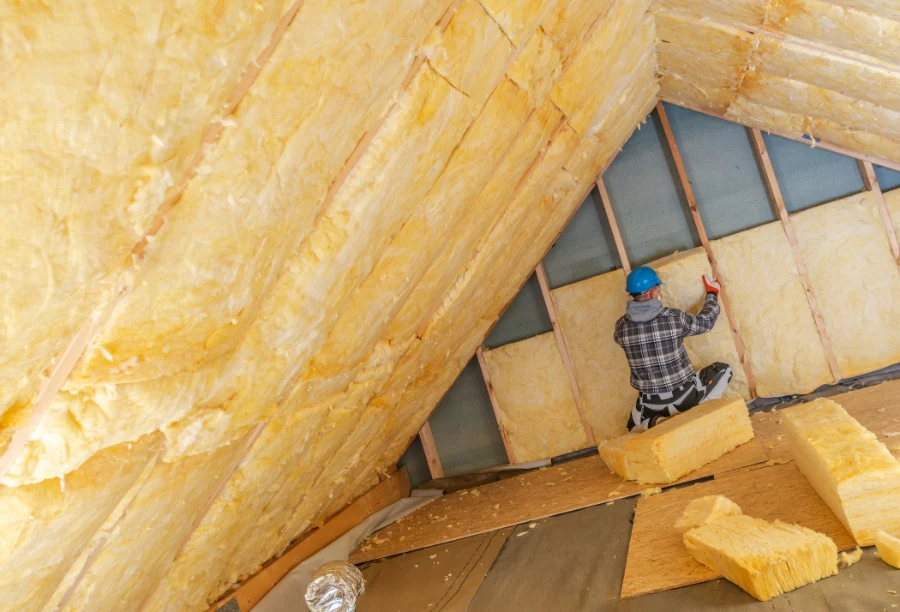
Attic insulation repair is needed when insulation is wet, moldy, falling out of place, packed down, or no longer keeping your home comfortable. If your rooms feel too hot or too cold, your energy bills keep rising, or you notice drafts and attic moisture, the damage may be more than a small cleanup job. In many homes, a trained insulation crew is needed to find the full problem and fix it the right way.
Quick Diagnosis Summary
Some insulation problems are easy to spot, but the cause is not always simple. You may see bare attic spots, dirty insulation, or damp areas near vents or the roofline. Those signs can point to air leaks, roof leaks, poor attic airflow, pest activity, or old material that has broken down over time. attic insulation repair often works best after the source of the damage is found first.
Common Symptoms
Many homeowners notice comfort problems before they ever look in the attic. A bedroom may stay hot in summer. A hallway may feel cold in winter. You might also see higher utility bills even though your heating and cooling habits have not changed. In some cases, the attic smells musty or feels damp.
These are common warning signs:
- Uneven indoor temperatures
- Higher heating or cooling bills
- Wet or flattened insulation
- Drafts near ceilings or attic access doors
- Musty smells in upper rooms
- Pest droppings or nesting material
- Ice dams or moisture marks near the roof
If you notice more than one of these issues, the problem may be larger than a quick patch. That is often when attic insulation repair becomes the smart next step.
Likely Causes
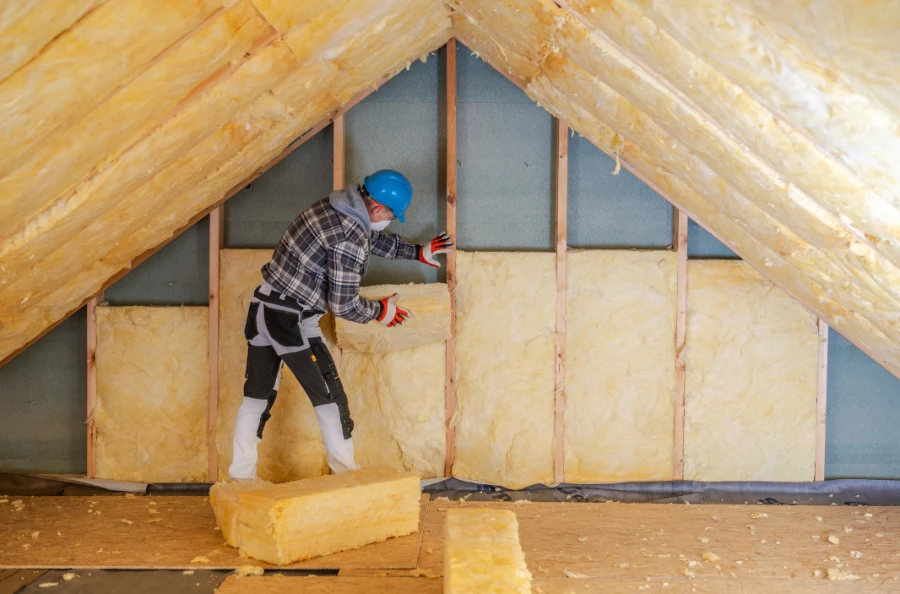
Insulation rarely fails for no reason. Water is one of the most common causes. A small roof leak can soak insulation and make it useless. Bad attic airflow can trap moisture and lead to mold or rot. Air leaks around pipes, light fixtures, and attic hatches can also hurt insulation performance.
Age matters too. Older insulation can settle, shift, or break apart. Rodents and other pests may tear it up while making nests. In some homes, past work was done poorly, leaving gaps or thin coverage. Even if the attic once had enough material, years of wear can change that. This is one reason many people call for help with insulation issues before damage spreads.
What to Check First
Before making any repair plans, start with a simple visual check from a safe spot. Do not step between attic joists or move through a tight attic without proper safety gear. Look for signs that help explain what is happening.
- Check for wet spots, stains, or dark patches in the insulation.
- Look for thin areas where the attic floor is easy to see.
- Notice any mold, mildew, or strong musty smells.
- Check around vents, pipes, and recessed lights for gaps.
- Look for pest signs like droppings, chewed material, or nests.
- See if the insulation is matted down or blown out of place.
If you find damp insulation or signs of animal activity, stop there. Those problems usually need more than a basic cleanup. A full inspection can help show if the material can be fixed, replaced, or needs parts of the attic sealed first.
Safe Fixes Vs Pro-Level Fixes
Some small jobs are fine for a homeowner. You may be able to place weatherstripping around an attic hatch or clear light debris near access points. You can also watch for new stains after heavy rain and keep notes about room temperatures. These simple steps can help you explain the issue better.
Still, many attic problems should be left to trained pros. Wet insulation often needs removal and replacement. Moldy material should not be handled without the right safety steps. If air leaks are hidden, if pests have contaminated the area, or if large sections have settled, a deeper repair plan is needed. attic insulation repair may also involve air sealing, ventilation checks, and cleanup of damaged material. That type of work usually falls under a broader service category like home energy and insulation work, not just a quick attic touch-up.
Prevention Tips
Once the attic is repaired, taking care of the space can help prevent the same trouble later. Routine checks matter more than many people think. A small leak or gap can grow into a much bigger issue if no one catches it early.
- Check the attic after strong storms
- Watch for roof leaks and ceiling stains
- Seal air gaps around attic openings
- Keep attic vents clear and working
- Schedule pest control if signs appear
- Replace damaged insulation before it spreads problems
These steps can help insulation last longer and work better. They can also help protect your roof, ceilings, and indoor air from moisture and contamination.
When to Call a Professional
It is time to call for professional attic insulation repair when the problem includes water damage, mold, pests, major settling, or large comfort changes in the home. It also makes sense to get help if your energy bills keep climbing and you cannot tell why. A trained team can inspect the attic, find hidden trouble, and suggest the right fix instead of guessing.
Fast action can help stop bigger repairs later. It can also improve comfort and help your heating and cooling system work less hard. If the attic has not been checked in years, this is a good time to start.
Get Help With the Next Step
If you are seeing signs of insulation trouble in Calgary, AB, we can inspect the attic and explain what is going on in plain language. At Bow-man Services Ltd, we handle attic insulation repair with care and help homeowners decide on the right fix for their space. Call us at (587) 742-3422 to set up a visit and get honest help with the next step.